Can You Have Carpal Tunnel and Cubital Tunnel Syndrome at the Same Time?

Schedule Your Appointment Today!

Yes, you can have carpal tunnel and cubital tunnel syndrome at the same time, even in the same arm. Carpal tunnel syndrome involves pressure on the median nerve at the wrist, while cubital tunnel syndrome involves the ulnar nerve at the elbow. When both nerves are affected, numbness, tingling, or weakness may involve different areas of the hand and be difficult to trace to one source.

That is why a thorough evaluation should not stop at the wrist. A hands-on examination and nerve conduction study can help determine which nerves are involved and where they are being compressed. The findings then guide a treatment plan for each condition. Some patients may need carpal tunnel surgery while their cubital tunnel symptoms improve with nighttime elbow bracing. Others may require treatment for both conditions.

Key Takeaways

  • Carpal tunnel and cubital tunnel syndrome can occur together because they affect different nerves at different locations.
  • Examining both the wrist and elbow helps identify every source that may be contributing to the symptoms.
  • Nighttime elbow bracing may improve cubital tunnel symptoms and help determine whether elbow surgery is necessary.
  • Having both conditions does not automatically mean you will need surgery for both.

Why a Carpal Tunnel Evaluation Should Include the Elbow

Hand numbness does not always come from a single point of nerve compression. A person may have clear signs of carpal tunnel syndrome at the wrist while also having pressure on the ulnar nerve at the elbow. If the evaluation focuses only on the wrist, the second condition may be overlooked.

A complete evaluation considers the full pattern of symptoms. That includes which fingers feel numb or tingly, whether symptoms become worse when the wrist or elbow is bent, and whether there is weakness or difficulty coordinating the fingers. The healthcare provider should also examine the nerves directly, check sensation and strength, and use nerve conduction testing when appropriate.

Identifying both conditions before treatment helps separate the symptoms caused by the wrist from those related to the elbow. It also allows each problem to be addressed appropriately. One condition may require surgery, while the other may respond to a change in nighttime posture or an elbow brace. The goal is to treat every source contributing to the patient’s complaint rather than assuming all hand symptoms come from carpal tunnel syndrome.

How Carpal and Cubital Tunnel Symptoms Differ

Carpal tunnel syndrome and cubital tunnel syndrome can both cause numbness, tingling, and weakness in the hand. The location of the symptoms often provides an important clue because each condition affects a different nerve.

Comparison Carpal Tunnel Syndrome Cubital Tunnel Syndrome
Nerve involved Median nerve Ulnar nerve
Compression site Wrist Elbow
Fingers commonly affected Thumb, index middle, and thumb-side of the ring finger Little finger and little-finger side of the ring finger
Position that may aggravate symptoms Bending the wrist forward or backward Bending or placing pressure on the elbow

A person with both conditions may experience symptoms across several parts of the hand. For example, numbness may affect the thumb, index, and middle fingers as well as the ring and little fingers. Symptoms may also change depending on whether the wrist or elbow is bent.

These patterns can help guide the examination, but symptoms alone cannot confirm where a nerve is compressed. Your healthcare provider must consider the symptom pattern together with the physical examination and any appropriate nerve testing.

How the Evaluation Identifies Both Problems

When symptoms could be coming from the wrist, elbow, or both, the evaluation must identify where each nerve is being affected. No single symptom or test tells the entire story. The healthcare provider combines the patient’s experience with a hands-on examination and nerve testing when appropriate.

Start With the Complete Symptom Pattern

The evaluation begins with questions about which fingers are affected, when the symptoms occur, and what seems to make them better or worse. Nighttime symptoms are especially important because sleeping with a bent wrist may aggravate carpal tunnel syndrome, while keeping the elbow bent for an extended period can increase cubital tunnel symptoms.

Your provider may also ask about dropping objects, loss of grip, difficulty coordinating the fingers, or weakness during everyday tasks. These details help show how the nerves are functioning, not just where the patient feels discomfort.

Examine the Nerves at the Wrist and Elbow

A hands-on examination helps determine whether the median nerve, ulnar nerve, or both may be involved. The provider may gently apply pressure over the nerve, position the wrist or elbow in specific ways, and check whether these maneuvers reproduce the patient’s symptoms.

Sensation, grip, finger coordination, and the strength of individual hand muscles may also be evaluated. Checking both the wrist and elbow is important because concentrating only on the most obvious area could leave another source of nerve compression unidentified.

Use Nerve Conduction Testing When Appropriate

A nerve conduction study measures how quickly and effectively electrical signals travel through the nerves. It can provide information about how the median nerve is functioning through the wrist and how the ulnar nerve is functioning around the elbow.

The results are considered alongside the physical examination and symptom history. Together, this information helps the provider identify the likely compression sites and assess how severely the nerves may be affected.

Explain What the Findings Mean

At the end of the evaluation, the patient should understand what was found and what may need to be done about it. That includes whether one or both nerves appear to be compressed, which symptoms may be connected to each condition, and whether the next step involves observation, nighttime bracing, or surgery.

This explanation creates a treatment plan for the actual problems identified during the evaluation rather than treating every hand symptom as if it were coming from the wrist.


Why a Nighttime Elbow Brace May Be Tried Before Cubital Tunnel Surgery

Many people sleep with their elbows deeply bent. Holding that position for hours can place additional pressure and stretch on the ulnar nerve, which may make cubital tunnel symptoms more noticeable at night or upon waking.

When the examination suggests that the ulnar nerve compression is mild enough for nonsurgical care, the healthcare provider may recommend wearing an elbow brace at night. The purpose of the brace is to prevent prolonged, excessive elbow bending while the patient sleeps. It is different from the wrist brace commonly used for carpal tunnel syndrome because the two braces protect different nerves at different locations.

The response to nighttime bracing can also provide useful information as the treatment plan develops. The process may include:

  1. Begin wearing the elbow brace at night. The patient uses the brace for the period recommended by the healthcare provider.
  2. Continue planning treatment for carpal tunnel syndrome. Care for the wrist and elbow can proceed differently because improvement in one area does not automatically resolve the other condition.
  3. Review how the symptoms have changed. At follow-up, your provider asks whether numbness, tingling, or nighttime symptoms associated with the elbow have improved.
  4. Adjust the plan based on the response and clinical findings. If the cubital tunnel symptoms improve significantly, elbow surgery may not be necessary at that time. If symptoms continue or the evaluation shows more advanced nerve compression, surgical treatment may still be considered.

Improvement with bracing does not prove that the nerve compression has completely resolved. It does, however, help the healthcare provider understand how the elbow-related symptoms are responding before recommending the next step.

Having Both Conditions Does Not Always Mean Having Two Surgeries

Finding carpal tunnel syndrome and cubital tunnel syndrome during the same evaluation does not automatically mean both conditions require surgery. The treatment decision is made separately for each area based on the symptoms, examination findings, nerve testing, and response to nonsurgical care.

A patient’s treatment plan may follow one of several paths:

  • Carpal tunnel surgery with nonsurgical care for the elbow: The carpal tunnel syndrome may be advanced enough to require surgery, while the cubital tunnel symptoms may improve with nighttime bracing and changes in elbow position.
  • Continued monitoring of the cubital tunnel: If the elbow-related symptoms improve significantly with bracing, cubital tunnel surgery may not be necessary at that time.
  • Surgical treatment for both conditions: If both nerves are compressed severely enough, or if appropriate nonsurgical care does not improve the cubital tunnel symptoms, the provider may recommend addressing both conditions surgically.

The important point is that each source of nerve compression receives its own treatment decision. Improvement at the elbow does not eliminate carpal tunnel syndrome at the wrist, just as treating the wrist does not relieve symptoms caused by pressure on the ulnar nerve at the elbow.

By evaluating both conditions before surgery, the healthcare provider can develop a plan that addresses what is actually causing the patient’s symptoms without performing an elbow procedure that may not be necessary.

Elbow of a skeleton where red indicates a specific pain area
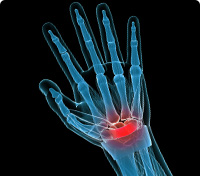
Wrist of a skeleton where red indicates a specific pain area

Why Both Conditions Need to Be Accounted For

Carpal tunnel surgery releases pressure on the median nerve at the wrist. It does not treat compression of the ulnar nerve at the elbow. If cubital tunnel syndrome is also contributing to the patient’s symptoms, numbness, tingling, or weakness connected to the elbow may remain after the wrist has been treated.

Continued symptoms do not necessarily mean the carpal tunnel procedure was unsuccessful. They may indicate that another source of nerve compression is still affecting the hand. That is why identifying both conditions before treatment is so important. It gives the patient a clearer understanding of which symptoms each treatment is intended to address and what improvement may reasonably be expected.

If symptoms remain after treatment, they should be evaluated rather than dismissed or automatically attributed to the original condition. The healthcare provider may need to reconsider the elbow, wrist, neck, or another possible source along the nerve pathway.

The goal is not simply to diagnose carpal tunnel syndrome and schedule a procedure. It is to determine what is causing the patient’s complete complaint, address each identified problem appropriately, and reduce the chance that an untreated source of nerve compression leaves the patient without a clear explanation for ongoing symptoms.

When Should You Have Your Hand and Arm Symptoms Evaluated?

Occasional tingling may have a temporary cause, but recurring or worsening symptoms deserve a closer look. Consider scheduling an evaluation if you experience:

Numbness or tingling that repeatedly interrupts your sleep.

Symptoms affecting several fingers or both sides of the hand.

  • Numbness that becomes constant rather than coming and going.
  • Increasing weakness or difficulty gripping objects.
  • Trouble coordinating your fingers during tasks such as typing, buttoning clothing, or playing an instrument.
  • Frequently dropping objects.
  • Visible loss of muscle in the hand.
  • Symptoms that continue after treatment for carpal tunnel or cubital tunnel syndrome.

An evaluation can determine whether the symptoms are coming from the wrist, elbow, or another point along the nerve pathway. Identifying the source early may provide more nonsurgical treatment options and help prevent prolonged pressure from causing additional nerve damage.

Frequently Asked Questions

Can Carpal and Cubital Tunnel Syndrome Affect the Same Arm?

Yes. Carpal tunnel syndrome compresses the median nerve at the wrist, while cubital tunnel syndrome affects the ulnar nerve at the elbow. Because these are separate nerves and compression sites, both conditions can develop in the same arm.

Does Pinky-Finger Numbness Mean I Have Carpal Tunnel Syndrome?

Pinky-finger numbness is not a typical carpal tunnel symptom because the median nerve does not provide sensation to the little finger. Numbness in the little finger and part of the ring finger may point toward ulnar nerve compression, including cubital tunnel syndrome. However, a physical examination and appropriate testing are needed to identify the actual source.

Can an Elbow Brace Help Carpal Tunnel Syndrome?

An elbow brace is intended to limit prolonged elbow bending and reduce irritation of the ulnar nerve. It does not treat pressure on the median nerve at the wrist. A wrist brace may be recommended separately for carpal tunnel syndrome. Patients who have both conditions may therefore receive different recommendations for the wrist and elbow.

Can Carpal and Cubital Tunnel Surgery Be Performed at the Same Time?

In some cases, surgery for both conditions may be included in the same treatment plan. However, having both conditions does not automatically make both procedures necessary. The decision depends on the severity of each nerve compression, the examination and testing results, and whether cubital tunnel symptoms improve with nonsurgical care such as nighttime elbow bracing.

Get Clear Answers About Your Hand Symptoms At Nebraska Hand & Shoulder

When numbness, tingling, or weakness may be coming from more than one nerve, treating the most obvious condition may not address the complete problem. Nebraska Hand & Shoulder Institute provides personalized, hands-on evaluations and on-site nerve conduction studies to help determine whether symptoms are related to carpal tunnel syndrome, cubital tunnel syndrome, or both.

With locations in Omaha, Lincoln, and Grand Island, our experienced team can explain which nerves are involved and develop a treatment plan for each condition. Schedule an appointment to get a clearer understanding of your symptoms and the next steps that may be appropriate for you.